Olympic Games 2026: Ukraine’s biggest performance lesson


Send from


Transfer Type
Exchange Rate
– – –
GBP 1 = NGN 2030.28232
Transfer Fee
Free – – – 0.99 USD 0.99 USD
Arrives
Now 🔥
Receiver gets


Powered by Moka United
Delivered in minutes
In the last 72 hours, the 2026 Winter Olympics officially came to an end. While everyone watched the 2026 Winter Olympics men’s figure skating finale with bated snow-frosted breaths, some might argue the most iconic moment of these Olympics didn’t happen on an ice rink.
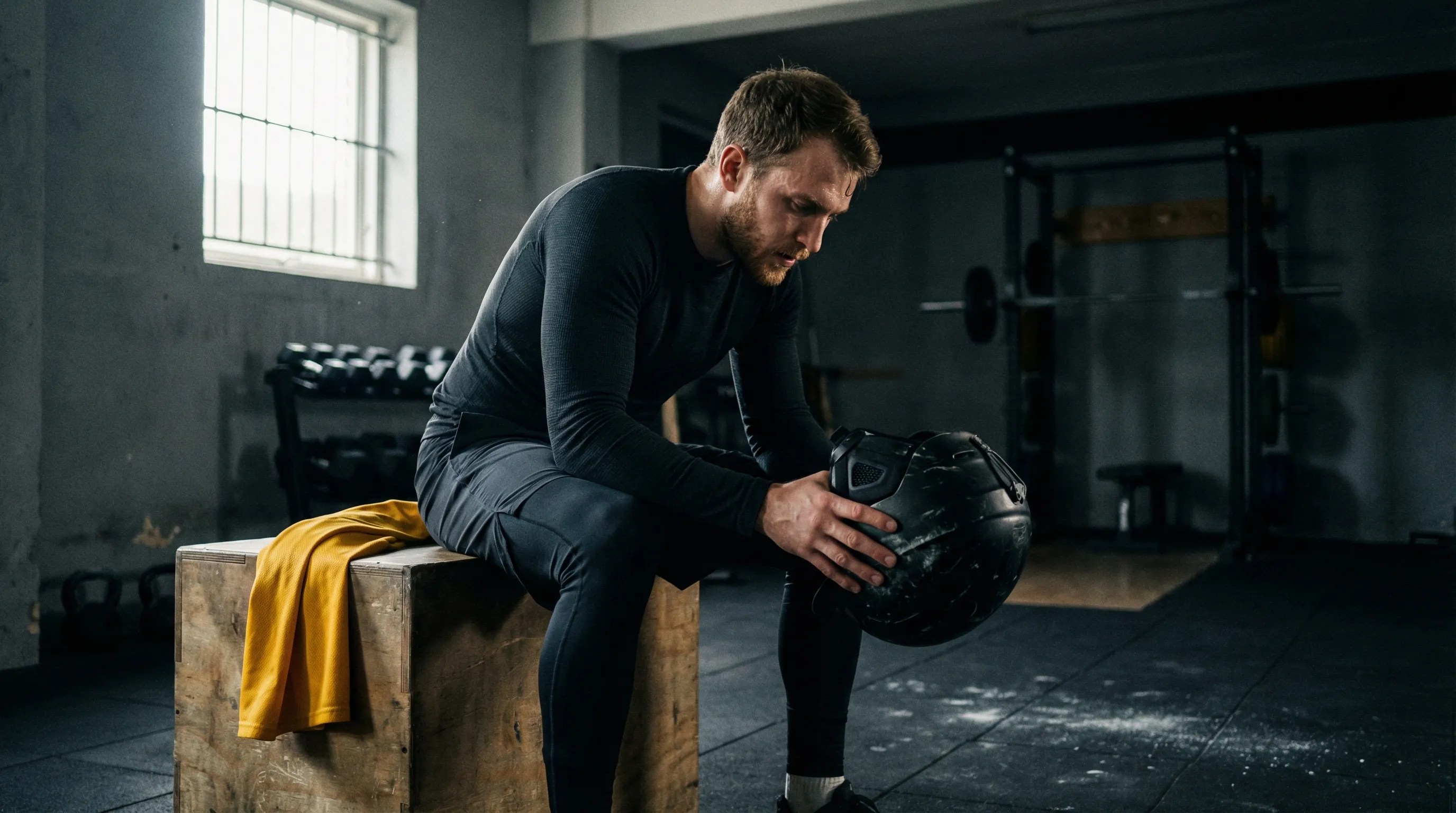
It happened just a few weeks ago, at the very beginning of the tournament, when one man stepped towards the cold 1,445-meter track of the Eugenio Monti Sliding Centre, with a head full of Olympic glory, and a helmet full of Ukrainian faces.
His name is Vladyslav Heraskevych. The 27-year-old skeleton racer who stood at the starting block, surrounded by the breathtaking, snow-capped peaks of Monte Cristallo and Antelao in Cortina d’Ampezzo, and made a choice that cost him everything.
Right before he was scheduled to throw himself down the perilous track, the IOC officially disqualified him from the 2026 Winter Olympic Games. The reason? He outright refused to remove his “Helmet of Remembrance.”
Instead of standard aerodynamic gear, Heraskevych held a helmet bearing the faces of 24 Ukrainian athletes and children who have passed in the ongoing war. Standing at the top of the Queen of the Dolomites, he gripped the banned helmet and walked away from his Olympic dream, unknowingly setting the stage for an over $230,000 payout that would shock the sporting world.
Table of Contents
The 10 Million UAH Transfer: Why Rinat Akhmetov Stepped In
Rinat Akhmetov is the billionaire owner of the Shakhtar Donetsk football club. Turning his gaze for a moment from the lush green pitch to the brutal, icy tracks of winter sports, he stepped in with a grand gesture of solidarity.
He initiated a direct transfer of 10 million UAH. This is roughly $231,000, depending on the exchange rate and it went straight to Heraskevych’s charitable foundation.
Akhmetov made his motivation perfectly clear. He stated that Vlad Heraskevych was denied the opportunity to compete for victory at the Olympic Games, yet he returns to Ukraine a true winner.
For anyone living abroad who sends money back home, the underlying sentiment is deeply familiar. Providing funds is often about stepping in to fill the gaps for people and causes we care about. It is the ultimate way to empower a dream or offer a lifeline. It shows your community that they do not have to stand alone.
How much do Olympians make normally?
People often assume top athletes are incredibly wealthy. The reality is a little complicated. The International Olympic Committee does not actually pay athletes directly for winning medals.
Competitors rely entirely on outside funding. They need corporate sponsorships and training stipends. They also depend on bonuses paid by their home country’s National Olympic Committee.
Winter sports are incredibly expensive to fund. Equipment and travel costs add up quickly. This makes Akhmetov’s donation crucial. It ensures Heraskevych can continue his career and advocacy.
Do Team GB athletes get paid for winning?
The short answer is no because the British Olympic Association does not hand out any cash prizes for winning medals. Great Britain pays exactly zero pounds as a direct bonus to its victorious athletes.
This financial reality usually comes as a massive surprise to new fans. When you move to the UK, you fold your highest hopes into a suitcase like your favourite clothes. Once you unpack, you inevitably begin to dress the athletes of your new home in those exact same dreams of athletic glory.
For countless migrants building a life in Britain includes cheering for Team GB and obsessing over their Winter Olympics 2026 results. Even Ukrainians who have found a safe home in the United Kingdom now proudly watch these adopted local heroes fly down the slopes.
But instead of a massive payout on the podium British athletes receive something entirely different. They get comprehensive support and annual training stipends through UK Sport. Everyday people actually help fund this world-class system just by buying National Lottery tickets.
This stable funding is a luxury that is distinct from the Ukraine situation. It explains why Akhmetov specifically chose to transfer over $200,000 to the banned skeleton racer. That amount is the official prize money Ukraine pays its athletes for winning Olympic gold.
The contrast between the two nations is the same as a charcoal-grey helmet in the snow. British athletes might not get a massive check but they train with peace of mind. Back in Ukraine athletes are forced to train through blackouts and the devastating reality of conflict. For them the cash prize is never just a fun bonus. It is a matter of survival.
How to support Ukrainian athletes’ charity and relief efforts
Luckily, grand gestures of support don’t have to end with the Olympics. You too can make a difference. Whether you are a billionaire football club owner or a worker in London, sending support home matters.
You can make transfers home today with TransferGo’s fee-free transfers to Ukraine.
It’s true the flames have flickered out in the Arena di Verona. But the great fire of Ukraine’s spirit burns forever.
 Share this article


Popular articles



Invite friends to TransferGo, earn £20